
Why nerves misfire when you only drink water
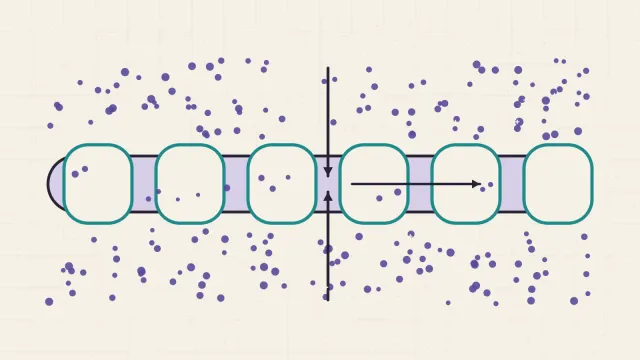
A nerve fires on a sodium gradient. Drinking only water during long effort can wash that gradient down.
Priya Raman
4 articles by this author

Neurochemist
Writes about transmitters as local signals, the split between daylight and gut serotonin, and sodium where a nerve fires.
A transmitter is a local message. It is released at a gap, binds a receptor nearby, and is cleared. I write against the habit of treating these molecules as one shared weather in the blood.
Dopamine that helps a hard minute stay available is released in the brain, at synapses that keep cost and value in play. It is not a pleasure spray waiting at a finish line, and it is not a blood reading you can hold up as a mood. Norepinephrine at a nerve ending in the skin is a different release, for vessels and for brown fat, on a scale of seconds. Same family of names, different rooms. I keep asking where the molecule was released, which cell heard it, and how fast it was taken back.
Most of the serotonin in the body is made in the gut, by enterochromaffin cells, for local muscle, for nerves in the wall, and for platelets that will later help a clot. That pool does not freely cross into the brain. Brain serotonin is made in the brain, from tryptophan that did cross. Daylight reaches the brain pool through the eye. Photons hit the retina. A nerve message runs inward. The gut does not ship its serotonin upstairs to become patience, or to become a bleak hour. A vagus nerve can carry spikes from the gut wall. Spikes are not a shipment of the molecule. Merging the pools makes a sunny morning sound like a dose and a cramp sound like a thought.
A nerve does not fire because it is inspired. It fires because sodium is higher outside the axon than inside, and because the membrane can open at the right moment. The sodium-potassium pump defends that hill. It does not invent ions the blood no longer holds. Large amounts of plain water during a long effort can dilute the blood side of the hill. The spike then shrinks, stalls, or arrives late. That is a gradient problem, not a character problem.
I will describe the hill. I will not hand out a drinking plan, a salt ritual, or a story in which a transmitter in the blood explains a person. The useful sentence stays local. Which cell released it, which cell heard it, and what barrier stopped the rest.
A nerve fires on a sodium gradient. Drinking only water during long effort can wash that gradient down.
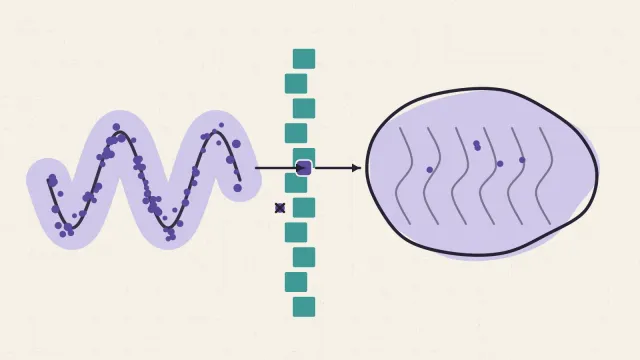
Morning light reaches brain serotonin through the eye. The gut's serotonin does not commute upstairs to become a mood.
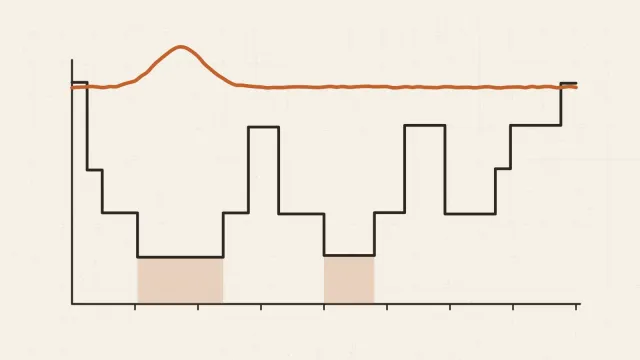
The big growth-hormone pulse rides slow-wave sleep. Going to bed early does nothing if that deep sleep never arrives.
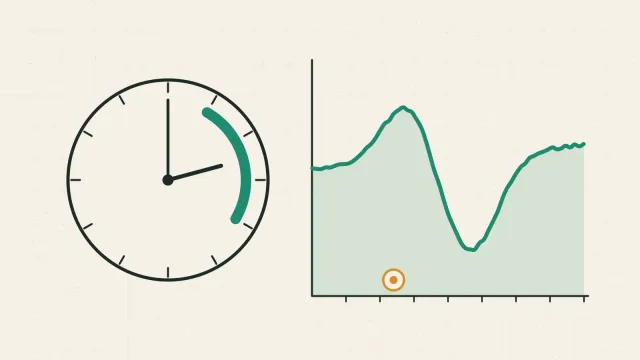
The mid-afternoon slump is circadian and post-meal, with mitochondria supplying ATP at the pace the cell allows.